Aloka Gikairo: A Serif Script Font for Modern Branding
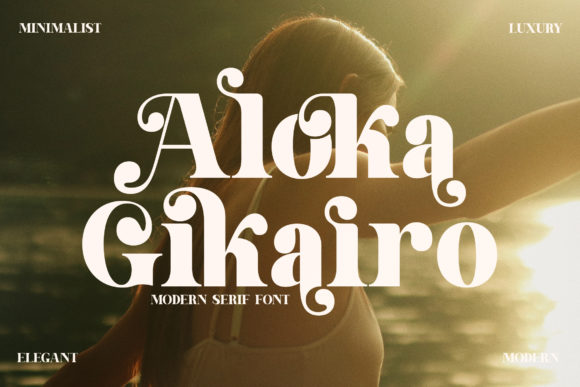
In the crowded landscape of digital design, finding a typeface that balances elegance with functional clarity is a significant challenge. The Aloka Gikairo font emerges as a sophisticated solution, offering a stylish serif script aesthetic that commands attention while maintaining a distinct, well-balanced structure. For graphic designers and brand strategists looking to inject personality into their work, this typeface serves as a versatile creative asset that bridges the gap between traditional typography and modern visual communication.
The Anatomy of a Masterpiece
What sets Aloka Gikairo apart in the realm of typography is its meticulous construction. The letters are designed to be distinct and well-balanced, ensuring that the text remains legible even with its ornate, script-like qualities. This balance is crucial for maintaining a professional presentation. Whether used for a headline on a website or a logotype on packaging, the font holds its shape, preventing the visual clutter that often plagues decorative fonts.
Furthermore, the technical utility of this font cannot be overstated. It is fully PUA encoded, a feature that significantly streamlines the design workflow. This encoding means that all stylistic alternates, glyphs, and ligatures are easily accessible without requiring specialized design software. For creators working on diverse platforms, from Adobe Illustrator to Canva, this accessibility ensures that the full range of the font’s expressive capabilities can be utilized to create unique visual hierarchies and custom lettering effects.
Practical Applications in Visual Design
The versatility of Aloka Gikairo makes it an ideal choice for a wide array of creative projects. Its aesthetic lends itself perfectly to industries that rely on a sense of sophistication, warmth, or artisanal quality.
- Brand Identity and Logo Design: The serif script style is perfect for creating memorable logos, particularly for boutique businesses, lifestyle brands, and high-end products. It conveys a sense of authenticity and craftsmanship.
- Editorial and Print Design: In editorial layouts, the font can be used for pull quotes or chapter headings to add a touch of elegance to magazines or lookbooks.
- Digital Marketing and Social Media: On platforms like Instagram or Pinterest, where visual hierarchy is key, using Aloka Gikairo for headlines helps graphics stand out in a fast-scrolling environment.
- Web and UI Design: While script fonts are rarely used for body text, they are invaluable for hero sections and call-to-action buttons where personality is required to improve user engagement.
- Packaging Design: The font adds a premium feel to product labels, especially in the beauty, food, and beverage sectors, enhancing the shelf appeal.
Integrating Typography into Your Design Workflow
When selecting a typeface like Aloka Gikairo, it is essential to consider the broader context of your design system. Typography is a pillar of visual communication, and it must work in harmony with your chosen color palette and imagery. Here are a few tips for effective implementation:
- Prioritize Readability: Always test your chosen font at the size it will be displayed. A stylish serif script is beautiful, but if it compromises the user experience, it fails its primary function.
- Establish Visual Hierarchy: Use the font strategically to guide the viewer's eye. Pair Aloka Gikairo with a clean sans-serif or geometric font for body text to ensure the design remains grounded and easy to read.
- Consistency is Key: To build a strong brand identity, use the font consistently across all touchpoints—from business cards and merchandise to social media graphics and presentations.
Ultimately, the goal of graphic design is to solve problems through visual solutions. By incorporating high-quality creative assets like Aloka Gikairo, designers and business owners can elevate their visual style, ensuring that their message is not only seen but felt. Thoughtful typography choices are the foundation of effective branding, transforming standard content into compelling narratives that resonate with audiences.