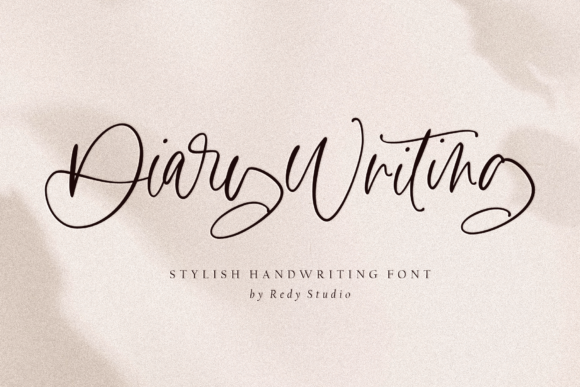
Diary Writing: The Enchanting Font for Authentic Design
In the vast landscape of digital typography, few assets capture the warmth of human touch quite like Diary Writing. This enchanting handwritten font serves as a bridge between raw emotion and structured design, offering a versatile script solution for creative professionals. Whether you are refining a brand identity or crafting a compelling social media post, the fluidity of this typeface brings an immediate sense of intimacy to your visual design. It is more than just letters on a screen; it is a tool for storytelling, designed to resonate with audiences who crave authenticity in a polished, professional presentation.
The Role of Handwritten Typography in Modern Branding
Typography is a cornerstone of effective graphic design, directly influencing how a message is received. In an era dominated by clean sans-serifs and rigid grid systems, a handwritten font like Diary Writing introduces necessary contrast. It softens the visual hierarchy, guiding the viewer’s eye with a natural, conversational flow. For brand identity, this is invaluable. A logo design that utilizes a script font can instantly convey traits such as creativity, approachability, and elegance. It helps businesses stand out by adding a layer of personality that standard fonts often lack.
Practical Applications and Creative Versatility
The true strength of Diary Writing lies in its wide spectrum of applications. Its design is optimized for both digital and print environments, ensuring consistency across all touchpoints. Because the font is PUA encoded, designers have full access to every glyph and swash without needing specialized design software, making the creative workflow seamless and efficient.
Consider implementing this script font in the following creative projects to maximize visual impact:
- Marketing Materials: Create eye-catching headlines for flyers, brochures, and posters that demand attention.
- Social Media Graphics: Add a personal touch to Instagram quotes, Pinterest pins, and Facebook headers to boost user engagement.
- Editorial Design: Use it for pull quotes or chapter titles in magazines to break up dense text blocks.
- Packaging Design: Enhance product labels with an artisanal, high-end aesthetic that suggests quality craftsmanship.
- Digital Products: Improve the user interface (UI) of wedding invitations, e-books, or course materials with elegant script accents.
- Merchandise: Apply the font to apparel, tote bags, or mugs where a hand-lettered style is desirable.
Integrating Diary Writing into Your Design System
While the allure of a beautiful script is strong, successful implementation requires strategic thinking. When integrating Diary Writing into a design system, prioritize readability and scalability. Handwritten fonts are best suited for display text, headers, and short phrases rather than long-form body copy. Ensure there is sufficient contrast between the font and the background color palette to maintain legibility across different screen sizes and print resolutions.
Furthermore, consider your audience expectations. A playful, loose script might be perfect for a children's brand or a bakery, but it may require more restrained usage in corporate or luxury sectors. Always test your typography choices against the overall composition to ensure they support the message rather than distract from it.
Elevating Visual Communication
Ultimately, the goal of any design asset is to facilitate clear and beautiful communication. By incorporating high-quality resources like Diary Writing, designers and business owners can significantly elevate their creative output. Thoughtful typography choices reflect attention to detail, building trust with your audience before they even read the content. When you combine this versatile script with strong imagery and a cohesive color palette, you create a professional result that not only looks stunning but also achieves its strategic objectives. Invest in assets that offer both beauty and utility to keep your designs feeling fresh, modern, and deeply human.